Family Division
The Family Division hears divorce, legal separation, nullity, parentage, restraining orders, support, custody and visitation matters, and links to local family rules and forms.
Official source ↗Divorce · San Jose, Santa Clara County
Divorce cases in San Jose are heard by the Family Division of the Superior Court of California, County of Santa Clara, at the Family Justice Center Courthouse in downtown San Jose. The same building houses the court's Self-Help Center and Family Court Services. This page explains how family cases are filed, what the free Self-Help Center and Family Law Facilitator's Office can do, and how custody mediation works, so you are ready before consulting an independent family-law attorney licensed in California.
The Family Division hears divorce, legal separation, nullity, parentage, restraining orders, support, custody and visitation matters, and links to local family rules and forms.
Official source ↗The Self-Help Center offers free help with family law forms, workshops and procedures, but only for people without an attorney. It does not give legal advice, is not your attorney, and may help both parties.
Official source ↗FCS provides child custody mediation for open family law or parentage cases. Parents must view a Parent Orientation video before scheduling, and sessions are held remotely through Microsoft Teams.
Official source ↗The courthouse page lists the family law departments, the drop box and the Children's Waiting Room for families with court business there.
Official source ↗Family law cases in Santa Clara County are handled at the Family Justice Center Courthouse in San Jose, which also has a drop box inside the building. The court's case information portal shows hearing dates for non-confidential cases.
E-filing is mandatory for attorney-represented parties in family cases, through an approved e-filing service provider. The court lists some exceptions it still accepts on paper, including judgments and defaults in family case types.
The Self-Help Center and Family Law Facilitator's Office help self-represented people with forms, procedures and referrals, including online workshops on starting a divorce and on preliminary declarations of disclosure. It is a free court service: it does not represent anyone, and its communications are not privileged.
If parents disagree about custody or visitation, California law requires them to try mediation. Family Court Services mediation is free (apart from a fee for late cancellations), and the court states that what is discussed is not shared with anyone, including the court, except for mandated reporting. Parents can also hire a private mediator.
Parents can schedule FCS mediation without filing a new motion by filing a Stipulation to Remote Family Court Services Mediation (FM-1195). On a judge's referral, FCS also conducts emergency screenings, focused investigations when a child faces imminent safety risks.
You need six months of California residence and three months in the county before filing (Family Code §2320), and a divorce cannot be final until six months after service or appearance (Family Code §2339). Forms are the statewide Judicial Council forms, plus Santa Clara local forms.
Local information as of October 2026, general information and not legal advice. Court locations, hours and procedures change; check the official court page before you go.
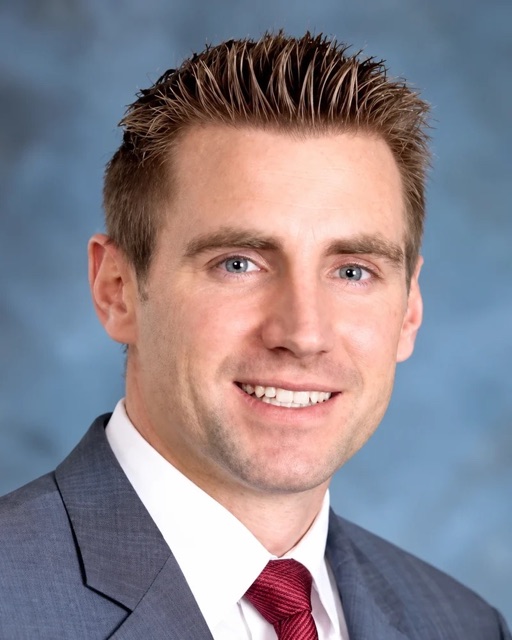
Who is behind Evenpart
Evenpart is operated by Omnilex. Leon E. Johnson leads Omnilex’s US business from San Francisco. He is a California attorney and spent about twelve years at Goodwin and Kirkland & Ellis before joining Omnilex.
Leon does not personally take on the matters that come through Evenpart. Your matter is handled by the independent family-law attorney licensed in California whom you choose to engage. That attorney quotes scope and fee in writing before any work begins.
Describe your situation in a few minutes. Our intake team connects you with an independent family-law attorney licensed in California for a free first call.
Request a free first call